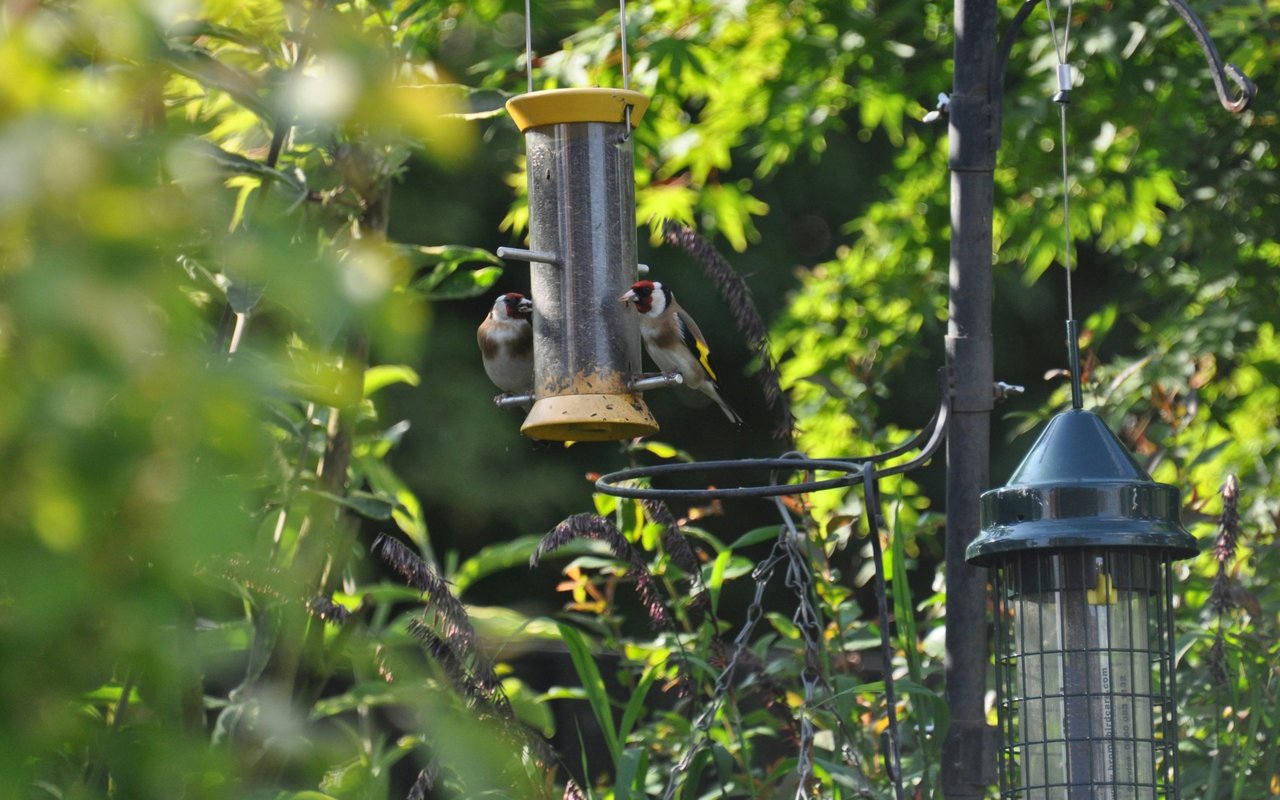
I’m having a small love affair with the new bird feeders in my back yard and all the sweet birds that have come to visit. Things have been hopping here in Middle Tennessee, especially in the real estate world, so it’s been wonderful to end a busy day with a glass of something sparkly and the sweet songs of my bird friends. They bring me a lot of pleasure, the least I can do is make sure they are well fed.
If you, like me, have a fondness for our feathered friends, you‘ve probably invested in a feeder or twelve and have discovered the joy of bird watching. Unfortunately, there’s a dark side to this hobby in that bird feeders can attract unwanted pests to our yards and homes. Who hasn’t watched a fat squirrel empty the feeder you just filled in under a minute? It’s not only frustrating, but these varmints can cause damage and hurt your pocket book, so there are a few things you should know before beginning your foray into ornithology.
Squirrels are generally pretty harmless, but when they make frequent visits to your feeders, birds are discouraged from visiting. One way to keep them from consuming volumes of bird seed is to distract them by feeding them peanuts and dried ears of corn in a location some distance from your feeders. Squirrels can jump incredible distances, so even if your feeders are elevated, you also need to make sure they are hung at least eight feet from a jumping surface. You might also try the “squirrel-proof” feeders, squirrel baffles or barriers to keep these furry creatures away from your seed.
As much as I love birds, I hate (loathe, detest and am totally freaked out by) rodents of any kind. Unfortunately, they are attracted to seeds that fall beneath feeders. If you see rats or mice around your feeders (or even “evidence” that they’ve been there), you need to discontinue feeding for a few weeks. Several bird feeders are sold with catch-trays to collect dropped seed. If you use one of these, make sure it stays clean as bird droppings containing Salmonella bacteria that may survive on the catch tray and spread disease among your birds.
Here in middle Tennessee, we have plenty of raccoons, skunks, rabbits and deer to contend with, too and they will happily treat bird feeders as their own personal appetizer bars. Although difficult, the best tactic to avoid sending an unwanted invitation to these animals is to make your feeders inaccessible with fencing. Even a good privacy fence can only do so much, though, so if you dealing with regular visits from these animals, you’ll probably need to remove your feeders temporarily. Some of these animals will only visit at night, so you might also consider taking your feeders in at dusk.
Believe it or not, some of the most damaging pests that might be simultaneously attracted to your song bird feeders and causing damage to your property are actually other birds. Woodpeckers are notorious for causing damage to trees and homes. If you hear their distinctive pecking or notice holes in your siding or wood, take action. Repair the holes as quickly as possible. Use visual deterrents, such as reflective tape strips, windsocks and even plastic owls to frighten these predators away. High-tech homeowners have reported success with sound deterrents, devices that emit an electronic distress call when their movement detector is activated. Lastly, placing suet feeders at the far corners of your property will attract woodpeckers, starlings and other predatory birds and help keep them away from your homes and your seed feeders.
Last, but not least, call in the professionals. If you have persistent problems and have tried the above precautions, call a wildlife removal company in your area to schedule a consultation. They will be able to evaluate your property, the types of pests you are dealing with and come up with a comprehensive plan that will enable you to enjoy your yard and your bird friends year round.