Wondering what it’s really like to live in the heart of Nashville? If you are weighing a downtown condo, a lock-and-leave second home, or a move that puts dining, events, and culture closer to your front door, urban living can be exciting and a little hard to picture from a listing alone. This guide will help you understand how downtown Nashville feels today, what kinds of homes you are most likely to find, and how daily life changes from one pocket to the next. Let’s dive in.
Downtown Nashville at a glance
Downtown Nashville has grown into a true live-work-play environment rather than a district people simply visit for a night out. According to the Nashville Downtown Partnership, the downtown residential population is now about 23,000, and the area includes 71 residential options across both for-sale and rental housing.
That same 2024 market report helps explain the energy you feel in the core. Downtown recorded 374 dining options, 185 nightlife options, 113 shopping options, and 58 outdoor dining options, with rental occupancy at 92.6%. There is also more housing on the way, with 4,581 residential units under construction and 12,537 planned.
For you as a buyer, that means downtown Nashville is not standing still. It is an active, evolving market with a broad mix of buildings, lifestyle options, and neighborhood experiences packed into a relatively compact area.
Condos shape urban Nashville living
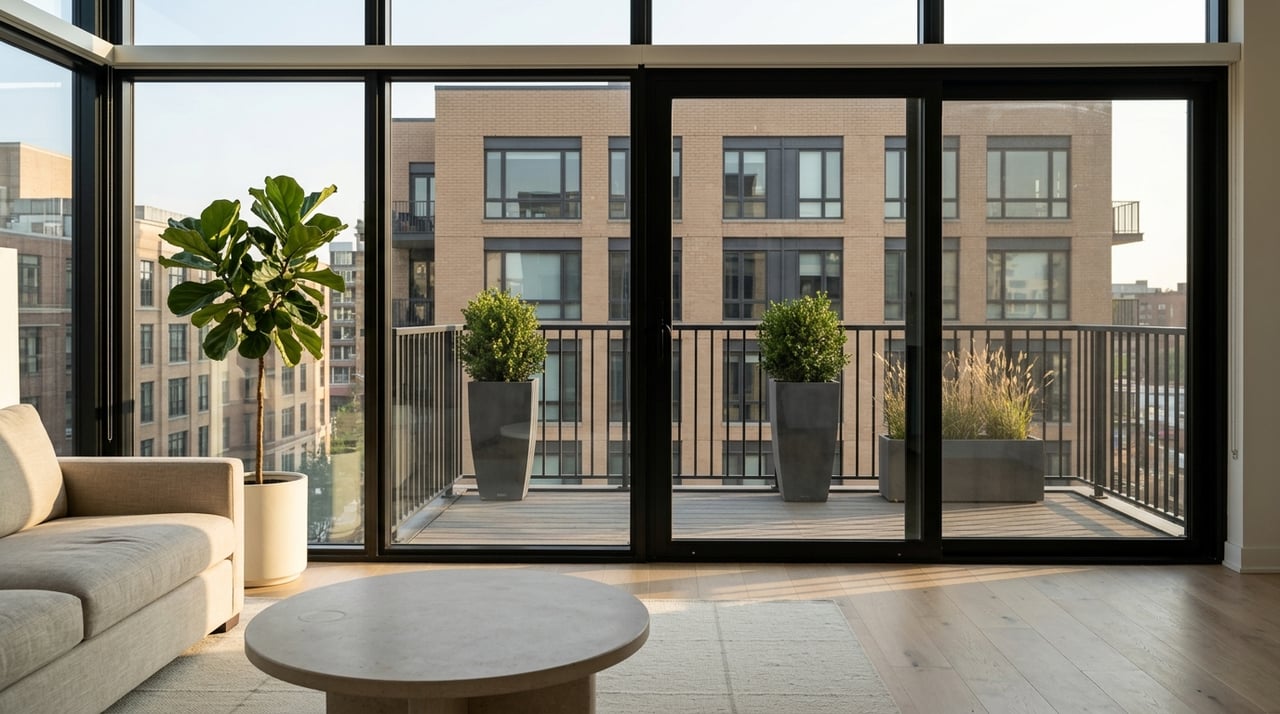
If you are shopping in the urban core, you will quickly notice that attached living leads the market. Downtown Nashville is dominated by condos, loft-style residences, and apartment communities, with fewer detached homes than you would typically find in other parts of Greater Nashville.
That housing mix makes sense for many buyers. A condo or similar attached home can offer a more low-maintenance lifestyle, easier lock-and-leave convenience, and close access to restaurants, entertainment, work, and events.
Examples across the core show how varied the condo market can be. You will find high-rise towers, boutique buildings, mixed-use projects, and residences in both newer and more established downtown settings.
What the housing mix looks like
Here are a few examples highlighted by the Nashville Downtown Partnership:
- 505 Condominiums: a 45-story glass tower with apartments, condominiums, and penthouses in the center of downtown
- Viridian: a 31-story high-rise in the Historic Core with 24/7 concierge service and rooftop amenities
- Terrazzo: a 14-story Gulch high-rise with 26 floor plans, LEED certification, concierge service, and underground parking
- The James: a 31-unit Gulch condominium building with one- and two-bedroom plans and access-controlled garage parking
- CityLights: a 71-unit boutique condo building in Rutledge Hill with two- to four-bedroom homes, private balconies, a pool, and rooftop terrace
You can also find some attached options with a more residential layout. Rutledge House in Rutledge Hill includes townhome-style residences with ground-level garages, while Hope Gardens is the downtown area most associated with single-family homes.
What that means for buyers
In practical terms, downtown usually favors buyers who want convenience, proximity, and lower exterior upkeep. If your ideal day includes walking to coffee, dinner, a workout, or an event, the urban core may feel like a strong fit.
If you want a little more breathing room, certain pockets may suit you better. Rutledge Hill, Hope Gardens, and Capitol View can offer a more residential feel, more parking flexibility, or a slightly calmer rhythm than buildings located directly in the entertainment grid.
Neighborhood feel changes block by block
One of the most important things to understand about urban Nashville is that it does not feel the same everywhere. A building’s address can shape your daily experience just as much as its floor plan or amenities.
The Nashville Downtown Partnership describes several key areas with very different personalities. That is useful if you are trying to match your home search to the lifestyle you actually want.
The Gulch
The Gulch is a 91-acre, LEED-certified neighborhood known for walkability and connectivity. It has about 9,000 residents and features wide sidewalks, bike lanes, shared paths, and WeGo transit connections.
If you want a polished urban environment with strong pedestrian access, newer buildings, and easy movement around the core, the Gulch often stands out. It tends to appeal to buyers who want a highly connected daily routine.
SoBro
SoBro is described as a vibrant arts-and-entertainment district with lively streets from morning to night. Its setting puts you close to major venues and a steady flow of activity.
That can be a real benefit if you enjoy being close to concerts, dining, and downtown events. It can also mean a busier atmosphere, especially during peak visitor and event times.
Capitol View
Capitol View has a more master-planned character. The area includes modern residential towers, parks, a grocery store, restaurants, and free parking.
For some buyers, that combination creates a downtown option that feels a bit more structured and balanced. It can be a smart choice if you want urban access but also value everyday practical conveniences nearby.
Hope Gardens
Hope Gardens is described as the quietest of these downtown pockets. It features tree-lined streets, small parks, downtown’s only single-family homes, and a more community-oriented atmosphere.
If your goal is to stay close to the core without living in the middle of its busiest streets, Hope Gardens may be worth a closer look. It offers a different pace while still keeping downtown destinations within reach.
Walkability and transit in daily life
For many people, the biggest reason to choose downtown Nashville is simple: it can make daily life easier. Depending on where you live, you may be able to walk to meals, entertainment, work, or errands without relying on your car for every trip.
Metro’s Connect Downtown materials show the study area includes 94 miles of sidewalk, though 10 miles of streets still lack sidewalks on one or both sides. The same report notes that 13% of downtown residents walk to work, which gives you a sense of how much a compact location can shape daily routines.
The commute picture is active. About 63,000 workers enter downtown each day, and the area includes 2,000 on-street parking meters and 45,000 off-street parking spaces.
Transit options to know
WeGo Transit adds another layer of flexibility. The system operates 27 local bus routes and nine regional routes, with frequent lines running every 15 minutes or less on major corridors.
Express buses also connect outlying counties such as Franklin and Spring Hill to downtown. The WeGo Star commuter rail provides weekday service to Riverfront Station, where riders can connect to nearby bus routes.
For relocation buyers or anyone comparing lifestyle options, this matters. Urban Nashville can reduce drive time for some routines, but the experience depends heavily on your exact address, where you work, and how often you plan to attend events or travel outside the core.
The trade-offs of downtown living
Every lifestyle choice comes with trade-offs, and downtown Nashville is no exception. The same energy that makes the area exciting can also bring more noise, more crowds, and more event-related traffic.
This is especially relevant near Broadway, SoBro, the Gulch, and streets close to major venues. With such a dense mix of nightlife, dining, commuters, and visitors, some blocks naturally stay busier than others.
That does not make one area better than another. It simply means your best fit depends on what you value most in everyday life.
Downtown may fit you well if you want
- A lock-and-leave home
- Walkable access to dining and entertainment
- Quick access to concerts, museums, and sports
- Less exterior maintenance
- A short-radius lifestyle centered around the urban core
You may prefer a different pocket if you prioritize
- Quieter evenings
- More breathing room
- Easier parking routines
- A more residential street feel
- Housing types beyond high-rise or attached living
Culture is built into the lifestyle
One of the biggest advantages of urban Nashville living is how close you are to major cultural institutions. Downtown is not just active. It is layered with music, art, history, and events that can become part of your regular routine.
The Country Music Hall of Fame and Museum is located downtown and spans 350,000 square feet after its 2014 expansion. The Ryman Auditorium, another signature landmark, brings more than 130 years of concert-hall history to the urban core.
The Frist Art Museum at 919 Broadway presents 12 to 15 exhibitions each year. In SoBro, the Schermerhorn Symphony Center hosts classical, pops, jazz, and world music programming.
For you, that means culture is not something you have to plan a full day around. In the right downtown location, it can be part of an ordinary weeknight.
Sports and events stay close
Downtown Nashville also offers strong access to major sports and entertainment venues. Bridgestone Arena sits downtown, seats about 20,000 for concerts, and hosts the Predators along with other major events.
Nissan Stadium, located on the East Bank, remains part of the broader downtown sports landscape for Titans games and large events. Depending on your address, these venues may be a short drive, ride-share, or walk away.
That kind of access can be a major lifestyle benefit. If you enjoy live events and want to spend less time planning logistics, living in the core can make those outings feel much more convenient.
Is urban Nashville the right fit?
Urban Nashville living works best when your home supports the way you actually want to move through the city. If you value convenience, culture, walkability, and a lower-maintenance property, downtown can offer a compelling mix of home and lifestyle.
It is not a one-size-fits-all environment, though. Some buyers will love the energy of SoBro or the Gulch, while others will feel more comfortable in quieter pockets like Hope Gardens or areas with a more planned feel like Capitol View.
That is why the right search starts with clarity about your routine, your priorities, and your tolerance for activity around you. If you want expert guidance on finding the downtown Nashville lifestyle that fits you best, The LCT Team can help you evaluate options with a local, strategic perspective.
FAQs
What types of homes are most common in downtown Nashville?
- Downtown Nashville is primarily made up of condos, lofts, and apartment-style residences, with fewer detached homes than other parts of the region.
Which downtown Nashville areas feel quieter for residential living?
- Based on Nashville Downtown Partnership descriptions, Hope Gardens is the quietest pocket discussed here, while some parts of Capitol View may also offer a more measured pace than the entertainment-focused core.
Is downtown Nashville walkable for daily errands and work?
- Many downtown areas support a walkable lifestyle, and Metro reports that 13% of downtown residents walk to work, though walkability can vary by street and neighborhood.
What makes the Gulch different from other downtown Nashville areas?
- The Gulch is known for its walkability, connectivity, wide sidewalks, bike lanes, shared paths, and transit access, along with a strong concentration of newer urban residential options.
What are the biggest trade-offs of living in urban Nashville?
- The main trade-offs are typically more noise, crowds, and event traffic in the busiest downtown areas, especially near entertainment and arena-adjacent streets.
Are cultural attractions close to downtown Nashville condos?
- Yes, many downtown residences are close to major destinations such as the Country Music Hall of Fame and Museum, Ryman Auditorium, Frist Art Museum, and Schermerhorn Symphony Center.