If you are wondering whether East Nashville lives up to the hype, the short answer is yes, but probably not in the way you expect. This is not one single master-planned neighborhood with one look, one price point, or one daily routine. It is a collection of older pockets, active commercial corridors, beloved parks, and evolving housing options that together create a lifestyle many buyers find hard to duplicate elsewhere in Nashville. Let’s dive in.
East Nashville feels layered
One of the first things to understand about East Nashville is that it functions more like an umbrella than a single neighborhood. Several older pockets sit within it, each with its own rhythm, housing mix, and streetscape.
That layered feel is part of the appeal. You can move a few blocks and notice a different mix of historic homes, newer infill, townhomes, local businesses, and everyday neighborhood activity. For many buyers, that variety makes East Nashville feel more lived-in and personal than places with a more uniform layout.
Historic character shapes the streets
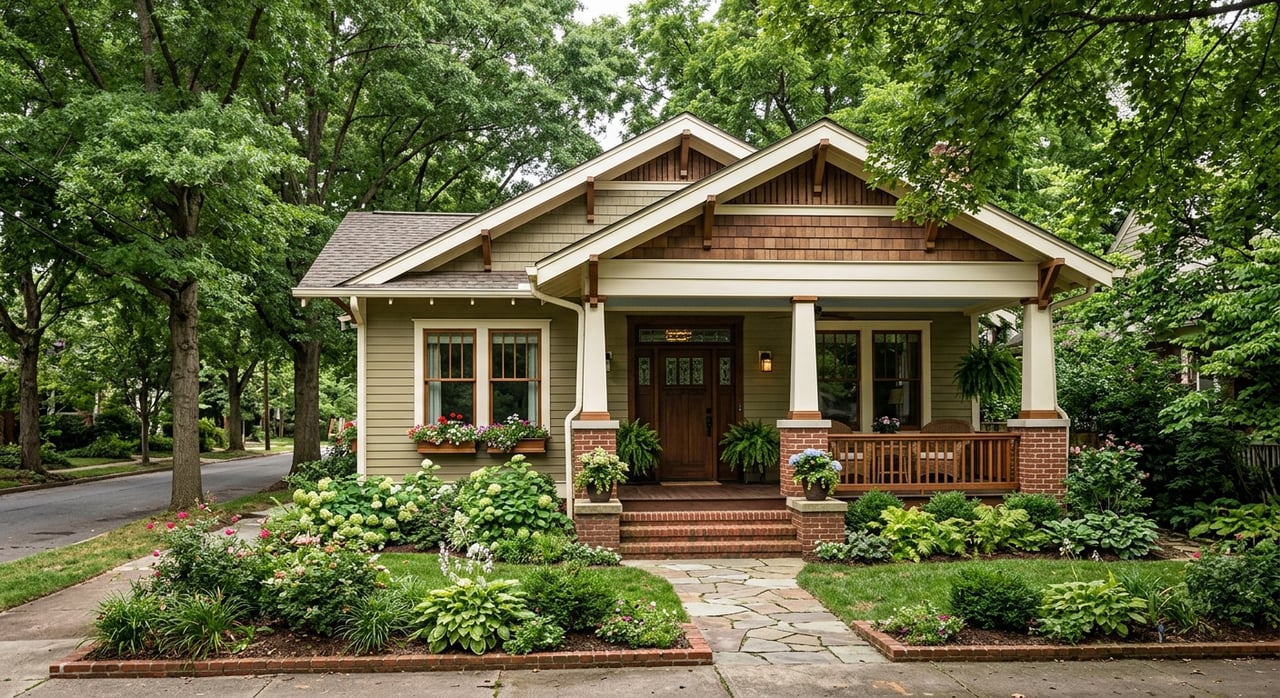
East Nashville is known for historic homes dating back to the early 1900s. In portions of the East Nashville National Register district, including parts of Lockeland Springs and East End, the built environment still reflects that earlier era.
You will see porch-forward streets, mature trees, and homes influenced by styles such as Queen Anne, Italianate, Craftsman, and other turn-of-the-century designs. At the same time, the market also includes newer townhomes and infill construction, so the housing stock feels mixed rather than frozen in time.
For buyers, that means East Nashville can offer a very specific sense of place. If you love architectural character and older streetscapes, certain pockets may stand out right away. If you prefer a lower-maintenance option or newer finishes, there are also attached homes and recent builds in the area.
Daily life is local and walkable
A big part of living in East Nashville is how neighborhood-oriented your day can feel. Metro planning materials emphasize connectivity, walkability, and preserving neighborhood character, and that shows up in how many people experience the area.
Many routines center around nearby cafés, casual restaurants, retail, and parks rather than long drives for every errand or outing. Five Points, in particular, acts as a hub for dining, events, and neighborhood energy.
The city’s bikeway planning also aims to connect residential areas to Five Points, Shelby Bottoms Park, and safer routes into downtown. If being able to move around without feeling fully car-dependent matters to you, that is a meaningful part of East Nashville’s appeal.
Coffee, dining, and music stay close to home
East Nashville has a strong neighborhood business culture, and that shapes everyday life in a very real way. Independent cafés and casual dining spots are woven into the routine, not treated as special-occasion destinations.
Places like Dose, Joyland, Lockeland Table, and Five Points Pizza reflect the range you can find nearby, from quick coffee and breakfast to sit-down dining and casual takeout. The point is not just that there are popular spots here. It is that many residents can build a weekly rhythm around them.
The same is true after dark. Venues like The Basement East, The East Room, Grimey’s, and The 5 Spot help keep the neighborhood active into the evening, often without needing to cross the river into downtown.
For buyers relocating to Nashville, this can be one of East Nashville’s biggest lifestyle differentiators. You get access to music, comedy, dining, and local events in a way that feels close, familiar, and woven into the neighborhood itself.
Parks and green space are a real advantage
East Nashville’s outdoor access is one of its strongest quality-of-life features. Shelby Park and Shelby Bottoms give the area a level of green space that can be hard to find this close to downtown.
Shelby Park spans 300 acres and includes river views, ball fields, golf courses, a boat launch, picnic shelters, a community center, and an off-leash dog park. Right next to it, Shelby Bottoms adds more than 950 acres of natural area with about five miles of paved ADA-accessible trails, primitive trails, bird habitat, environmental education programs, and bike-share access.
East Park Community Center adds another layer with a fitness center, indoor pool, classes, and affordable recreation programming. If your ideal neighborhood includes easy access to trails, park space, and active recreation, East Nashville checks that box in a substantial way.
The community calendar stays busy
Living in East Nashville often means having something on the calendar without trying too hard. Annual events and recurring neighborhood gatherings help create that sense of momentum.
Tomato Art Fest in Five Points is one of the best-known examples, with a parade, live music, art, food trucks, and family activities. Other recurring events include the St. Patrick’s Day Parade in Five Points, East Nash Holiday Bash, and the Music City Hot Chicken Festival at East Park on July 4.
On top of those larger events, venues like The Basement East and The East Room keep shows, comedy, and dance nights in regular rotation. For many residents, this gives the neighborhood a social energy that feels active year-round.
Housing options vary more than people think
One of the biggest misconceptions about East Nashville is that it can be summed up by one average price or one home type. In reality, the market is highly segmented by pocket and product type.
Current data places the median list price in East Nashville at $624,900, with 486 homes for sale, a median price of $346 per square foot, and a median 77 days on market. But those broad numbers only tell part of the story.
Values vary meaningfully by ZIP code and pocket. Zillow neighborhood data shows approximate values around $376,512 in 37207, $459,393 in 37208, $505,643 in 37216, $621,721 in 37206, and $763,998 in 37212, with pocket-level values ranging from about $473,091 in East Nashville Block Club to roughly $853,961 in Lockeland Springs.
That spread matters because it shows how different one East Nashville search can look from another. Your experience will depend heavily on whether you are targeting an attached home, a renovated historic property, a newer single-family build, or a luxury infill home in one of the more established pockets.
What buyers can expect by home type
If you are shopping East Nashville, it is often more helpful to think in terms of home type than one headline price. Today’s inventory includes several different entry points.
Townhomes can be found in the low-to-mid $400,000s and $500,000s. More finished townhomes and newer builds often land in roughly the $650,000 to $1 million range.
Single-family homes currently span from about $500,000 to well over $2 million. Upper-end or new-construction options can run from roughly $1.4 million to $2.6 million.
In practical terms, East Nashville can work for very different buyers. Some are looking for a lower-maintenance attached home close to neighborhood activity. Others want a historic house with original character, or a newer home with more square footage and updated finishes.
Who East Nashville tends to fit best
East Nashville often appeals to buyers who want more personality in their surroundings and more variety in how they live day to day. If you value local businesses, older architecture, greenway access, and a neighborhood that stays active outside standard business hours, it can be a strong match.
It can also work well if you want to be close to downtown without living in the middle of a downtown environment. Being across the river gives East Nashville a sense of proximity to the urban core while still offering distinct residential pockets and strong neighborhood identity.
At the same time, it is smart to go in with clear expectations. The market is competitive in many pockets, price points can shift quickly by block or housing type, and the right fit often comes down to balancing character, condition, location, and budget.
What it really feels like to live there
So what is it really like to live in East Nashville? In many ways, it feels like having options close at hand. You can spend a morning at a neighborhood café, head to Shelby Bottoms for a walk or bike ride, meet friends in Five Points, and catch live music in the evening without needing to make a whole production out of your day.
It also feels visually varied. Some streets lean historic and residential, others feel more active and mixed, and many pockets blend old and new in a way that reflects how the area has evolved over time.
Most of all, East Nashville feels distinct. It is not trying to be interchangeable with another part of the city, and for many buyers, that is exactly the point.
If you are weighing a move to East Nashville, the smartest next step is to look beyond the headline and compare specific pockets, home types, and lifestyle patterns. The LCT Team can help you evaluate what fits your goals and navigate the market with clear, local guidance.
FAQs
What is daily life like in East Nashville for homebuyers?
- Daily life in East Nashville often centers on local cafés, neighborhood dining, nearby music venues, and easy access to parks and greenways, especially around Five Points, Shelby Park, and Shelby Bottoms.
What types of homes are available in East Nashville?
- East Nashville includes historic early-1900s homes, renovated houses, newer infill construction, attached townhomes, and upper-end new-construction properties across a wide range of price points.
What is the current East Nashville housing market like?
- Current market data shows a median list price of $624,900, 486 homes for sale, a median price of $346 per square foot, and a median 77 days on market, with significant variation by ZIP code and neighborhood pocket.
What makes East Nashville different from other Nashville areas?
- East Nashville stands out for its layered neighborhood identity, historic streetscapes, independent business culture, strong music and arts presence, and major park access close to downtown.
Is East Nashville walkable and connected to downtown Nashville?
- Metro planning materials emphasize walkability and connectivity in East Nashville, and city bikeway planning aims to connect residential areas to Five Points, Shelby Bottoms Park, and safer routes into downtown.