Homes for Sale in Nashville, TN
Available Homes for Sale in Nashville, TN
By the Numbers
Nashville, TN Housing Market
The Nashville, TN housing market is experiencing a period of stabilization, shifting toward a more balanced dynamic between buyers and sellers after years of rapid growth. With median home prices flattening near $475,538 and properties spending roughly two months on the market before selling, buyers have gained more room to negotiate, as reflected by the 97.6% average sale-to-list price ratio. While hot homes in prime neighborhoods can still draw competitive bidding, only 14.6% of properties currently sell above their initial asking price, signaling a healthier pace with reduced bidding wars.
-
Market Overview
The Nashville housing market has transitioned from the rapid appreciation of recent years into a period of price plateauing and inventory rebalancing. With the median home price hovering around $475,000, overall property values have flattened year-over-year, providing much-needed stability for buyers who were previously priced out. An increasing supply of active listings and a slower overall sales velocity mean that inventory is accumulating, nudging the regional market into a balanced territory that no longer overwhelmingly favors sellers.
-
Market Competitiveness
Currently categorized as "somewhat competitive," the local market requires sellers to be far more realistic with their expectations than during peak boom periods. Homes are staying on the market for an average of 64 days, and buyers are securing listings for roughly 2.4% below asking price on average. While highly desirable or move-in-ready properties in top-tier neighborhoods still fetch near-list offers, only about 14.6% of homes sell above list price, signaling a dramatic decrease in widespread bidding wars.
-
Submarket Divergence & Housing Mix
A significant factor shaping Nashville's real estate landscape is the sharp divergence between property types and price tiers across the metropolitan area. While affordable, starter-level resale homes under $400,000 continue to attract strong, immediate demand and sell rapidly, the market for high-end homes and downtown high-rise condominiums faces a noticeable inventory surplus. Years of dense, urban multifamily development have expanded condo supply faster than the local luxury buyer pool can absorb. Consequently, buyers operating in higher price points or searching for urban condos enjoy considerable leverage and selection, whereas buyers competing for mid-tier single-family homes in established suburban neighborhoods face far tighter inventory conditions.
-
Other Insights
Location and property condition are playing an increasingly dominant role in micro-market performance across Music City. Prime, walkable corridors like East Nashville, Belmont/12 South, and West End continue to experience consistent buyer interest and faster turnarounds, whereas properties that require updates or carry aggressive "test-the-market" price tags are frequently subjected to price cuts. Additionally, strong intra-metro demand remains, as over 75% of homebuyers searching in the area are existing residents looking to relocate locally rather than out-of-state buyers.
Nashville, TN Real Estate FAQs
Contact us today for expert local advice, private tours, and guidance tailored to your goals. Whether you're navigating your first home purchase or upgrading to your ideal Nashville property, we’ll help you move with confidence in one of Tennessee’s most sought-after markets.
In Davidson County, property tax is based on an assessed value, which state law sets at 25% of your home's total appraised market value. That assessed amount is then divided by 100 and multiplied by the local tax rate set by the Metro Council, depending on whether the home falls within the Urban Services District or General Services District. Because property taxes are billed annually in October, most buyers choose to pay them in monthly installments included within their mortgage escrow accounts.
Historically Zoning Overlay Properties, widely known as Horizontal Property Regimes (HPRs), are extremely common across Nashville land lots where two detached or attached homes share one primary tax parcel. While traditional single-family homes sit on an independently deeded plot of land, HPR units share a piece of real estate via a master deed that legally acts as a two-unit condominium association. Buyers purchasing an HPR own their specific structure and interior space outright, but typically share joint responsibility for common elements like shared driveways, roofs, or site utilities.
Tennessee state law does not strictly mandate a home inspection during a real estate transaction, though it remains a standard and highly encouraged due diligence step for prospective buyers. Most standard purchase contracts include a buyer inspection contingency period, typically lasting 10 to 14 days, allowing licensed inspectors to evaluate the home's structural and mechanical condition. If major safety defects or costly repairs are uncovered, buyers can use the official inspection report to request repairs, ask for financial seller credits, or cancel the deal entirely without forfeiting their earnest deposit.
Metro Nashville strictly regulates Short-Term Rental Properties (STRPs) and enforces distinct zoning laws depending on whether the home is owner-occupied or non-owner-occupied. Non-owner-occupied permits—which allow investors to run full-time Airbnb or VRBO properties without residing on-site—are largely restricted to specific commercial or mixed-use zones and are prohibited in most single-family residential neighborhoods. Anyone planning to operate a short-term rental must obtain a city permit, pay local hotel occupancy taxes, and strictly abide by noise, parking, and maximum occupancy ordinances.
Homebuyers in Middle Tennessee generally pay around 2% to 5% of the total purchase price in out-of-pocket closing costs, separate from their initial down payment. These fees cover lender origination charges, professional home appraisals, title insurance policies, government recording fees, and initial prepaid escrows for property taxes and home insurance. While the buyer and seller traditionally split certain customary closing fees, specific allocations can be negotiated directly into the final purchase agreement.
Due to the Cumberland River and numerous local tributaries running through Davidson County, property flood risk varies widely depending on exact geographic elevation and location. Homes designated within a high-risk FEMA Special Flood Hazard Area (such as 100-year flood zones) require buyers securing a conventional mortgage to maintain active flood insurance policies. Potential buyers can easily check local GIS maps during their inspection period to review historical flood plains and verify whether special coverage will add to their monthly carrying costs.
Find Your Place in Nashville
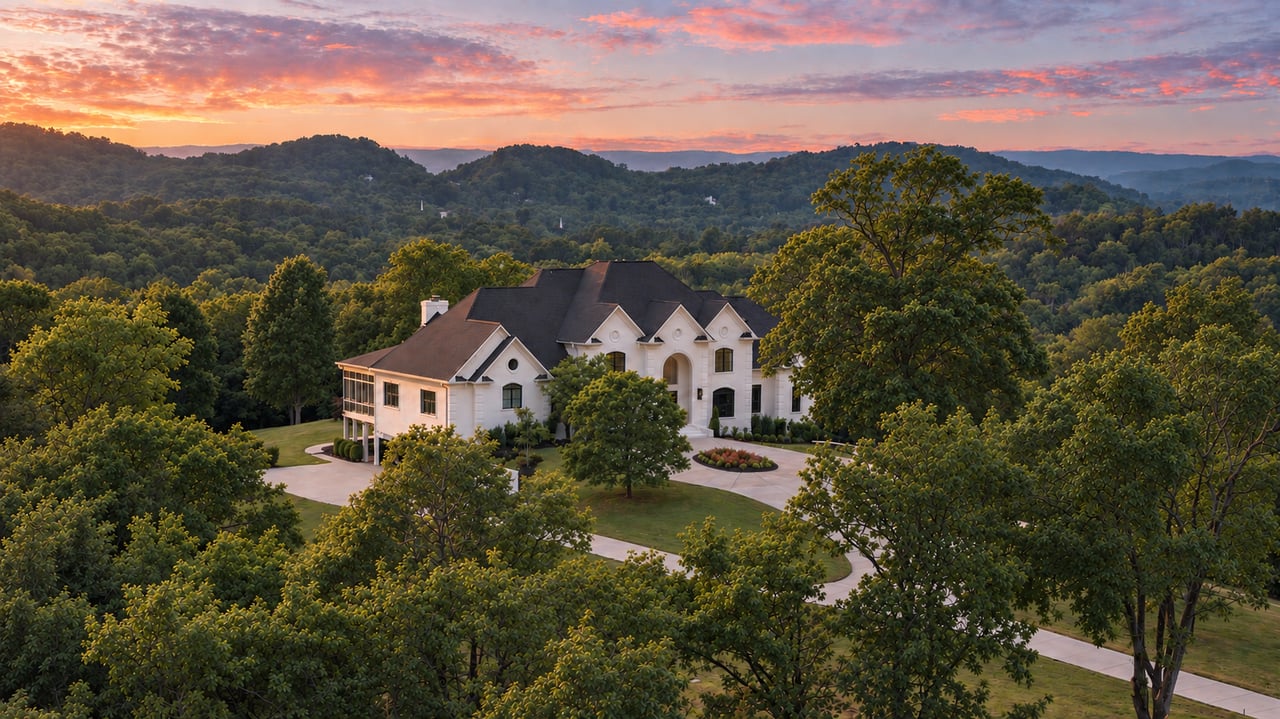
Whether you're searching for a luxury estate, a lake home, or an investment property, The LCT Team is here to help you find the right fit in Nashville, TN. From Green Hills to Belle Meade and beyond, we know the neighborhoods, the market, and what it takes to secure the home you want. Have questions or ready to start your search? Contact us today, and let's talk about your next move.















Work With Us
The LCT Team combines unmatched local expertise, proven results, and concierge-level service to make every real estate move seamless and successful. Start your journey today—contact the LCT Team.

Get in Touch
202 Church St, Franklin, Tennessee 37064
Get in Touch
Get in Touch
202 Church St, Franklin, Tennessee 37064